European Drone Maker Tekever Hits A $6.4 Billion Valuation
Tekever has raised $580 million at a $6.4 billion valuation as Europe’s defense tech boom continues. Elsewhere: the Pentagon orders 4,000 swarm-controlled attack drones, Britain bets £7.5bn on a targeting network, robot sailboats hunt submarines, Ukraine disables 300 shadow fleet ships, and a leader-follower trick multiplies FPV strikes.
A European Drone Maker Hits A $6.4 Billion Valuation
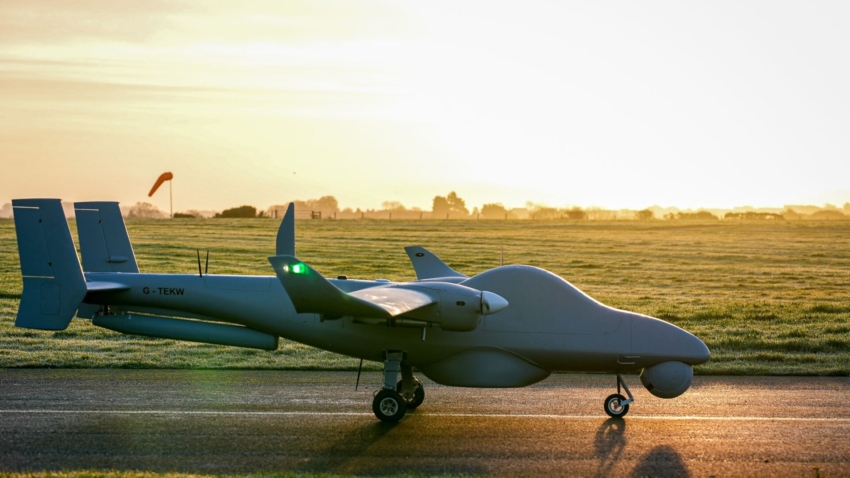
Portuguese-British manufacturer Tekever has raised $580 million at a $6.4 billion valuation, becoming the latest European defense tech firm to draw a sizable round as the continent rearms. The company says its surveillance drones have logged more than 50,000 flight hours in Ukraine since 2022, and it won a UK Ministry of Defence contract worth up to £400 million over 10 years in July to replace the Army’s troubled Watchkeeper system. University of California Investments and Baillie Gifford led the round, joining a wave of European raises that includes Germany’s Helsing at $1.8 billion and Quantum Systems at €1 billion in July alone.
The Pentagon Follows Through On Its Swarm Bet
Washington’s own procurement kept moving on the software side of that same problem. The Department of War has ordered 4,000 Kiwi one-way attack drones from Michigan based Swarm Defense Technologies, a minimum $25 million contract placed through the Drone Dominance Program following the recent Gauntlet 2 competition. The drones pair with Strike Deck software that lets one operator coordinate dozens of aircraft at once, automating navigation and terminal guidance while target selection and engagement authorization stay with a human, built by a company that grew out of Firefly Drone Shows and its 20,000 built swarming drones.
Britain Bets £7.5 Billion On Linking Every Sensor To Every Weapon
Britain’s own investment is aimed at the network connecting everything else. The Ministry of Defence’s new Defence Investment Plan sets aside £7.5 billion over four years for a Digital Backbone and Digital Targeting Web, including £740 million to connect sensors, decision makers and weapons and a Secret Cloud due to reach a minimum viable capability later this year. A further £17 billion is planned between 2030 and 2035 to bring the network to full capability and integrate autonomous systems across the force, with a new Digital Warfighter group set to operate alongside conventional units.
Six Robot Sailboats Listen For Submarines Together
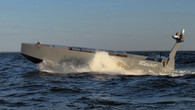
Plymouth firm Oshen has taken six of its 1.2 metre C-Star uncrewed sailboats to NATO’s REPMUS26 exercise in Portugal, testing them as a distributed “acoustic picket line” against live targets for the first time. Each vessel carries its own hydrophone, spreading sensors across a wide area rather than concentrating them on a single towed array, an approach the company argues is harder for an adversary to characterise or disrupt than a small number of expensive platforms. Oshen plans to take eight boats to San Diego next month to test the same concept in a US Navy setting.
Ukraine’s Drone Boats Cripple 300 Shadow Fleet Vessels
Ukraine’s own uncrewed vessels have spent 11 weeks doing exactly the disrupting Oshen is preparing to defend against. The Unmanned Systems Forces say Operation MoLoChKa has disabled 300 vessels from Russia’s sanctions evading shadow fleet since July 6, 134 in the Sea of Azov and 166 in the Black Sea, commander Robert “Madyar” Brovdi announced. The tally has climbed steadily through the campaign, from 196 vessels by July 22 to 282 by September 9, targeting the aging tankers Russia uses to keep moving oil and petroleum products despite Western sanctions.
One Ukrainian Pilot, Several Drones, One Target
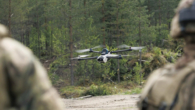
At the individual drone level, Ukraine may be finding a simpler route to the same multiplying effect. Forbes contributor David Hambling has identified video evidence suggesting some Ukrainian FPV units are using a Leader-Follower setup, where an operator guides one drone onto a target while automated followers strike the identical spot moments later. The approach could help destroy heavily armored vehicles that need repeated hits, and sits as a simpler stepping stone toward full swarming systems like Auterion’s Nemyx, which has supplied 33,000 autonomy kits to Ukraine but has not yet had its swarming capability activated.
Featured Image – Tekever AR5 – UK MoD