FPV Drone Strikes 110 Kilometers Into Russian Lines
A Ukrainian FPV drone hit Russian logistics 110km out, guided by AI that keeps flying after jamming cuts the link. Elsewhere: Apache gets drone wingmen, Ukraine’s robots run frontline logistics, a £1.5bn Hybrid Navy, and a £2bn AI battle lab.
A Small Drone Goes Deep
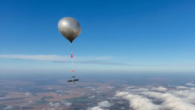
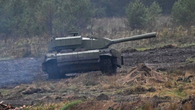
Ukraine’s 5th Border Detachment Sumy has struck Russian logistics 110 kilometers behind the front line with a VYRIY 15, a 15 inch first person view drone carrying up to 8 kg of warhead on a carbon fiber frame. But the range is only half the story. A guidance module called TFL-1, built by the defense company The Fourth Law, lets the drone lock onto a target’s outline and fly itself in on a fire and forget basis once electronic warfare or interference breaks the video link. The airframe also carries a thermal imaging module for night strikes and transmits video on a non-standard 6.0 to 7.2 GHz band built to survive jamming.
Britain Pairs Apaches With Drone Wingmen
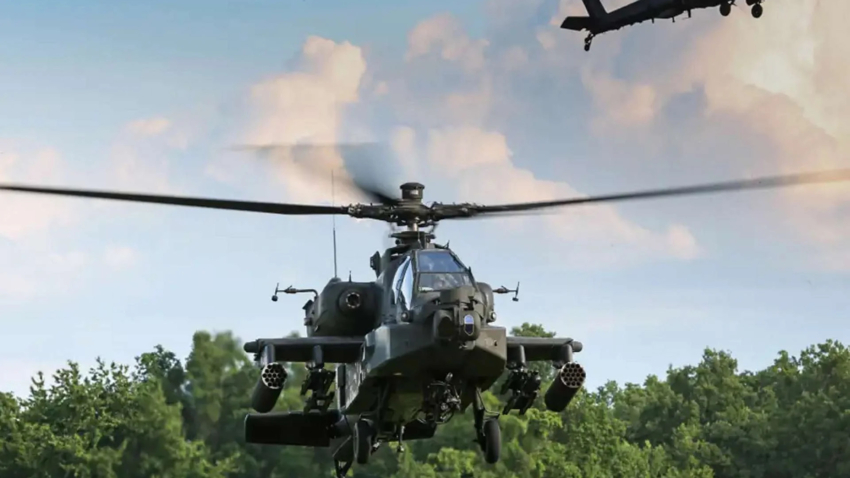
Autonomy of that kind is now shaping how crewed and uncrewed systems are meant to fight together. The UK Ministry of Defence has confirmed Project NYX, a £220 million programme to field up to 24 armed drones alongside the British Army’s AH-64E Apache helicopters by 2030. Anduril UK, BAE Systems, Tekever and Thales UK are competing to build them, with the drones searching forward so Apache crews can confirm and strike targets without exposing the aircraft first. The Apache’s own Longbow radar can already detect more than 1,000 targets, but NYX is meant to feed it targets before the helicopter has to unmask. Weapons release stays a human decision.
Robots Take Over The Supply Run
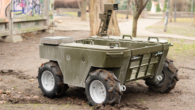
Ukraine, meanwhile, wants ground robots handling all of its frontline logistics. Its Ministry of Defense ran 16,676 supply and evacuation missions with ground drones in June, up 122% since January, with more than 22,000 units contracted for the year. Officials say connectivity, not hardware, is now the constraint holding the programme back. Combat units are motivated through an “eBaly” points system that converts completed robot missions into orders for drones and electronic warfare kit, and units have already spent roughly $790 million worth of points earned this way.
A Price Tag For The Hybrid Navy
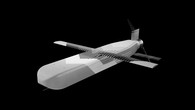
Britain is putting a number on its own uncrewed ambitions at sea. Defence minister Luke Pollard told Parliament the government will invest at least £1.5 billion over four years toward a prototype uncrewed missile platform, Type 91, and extra large uncrewed underwater vehicles, Type 93, both aimed at entering service by 2030. The underwater work builds on trials already run with the XV Excalibur test boat out of Plymouth, and the missile platform is expected to carry silos able to stay ready to fire for 30 days unattended.
Training Gets Its Own Investment
The same modernisation push extends to people. The Ministry of Defence has awarded Raytheon UK’s Omnia Training consortium a £2 billion, 15 year contract to build an AI powered Combat Laboratory that will train up to 60,000 soldiers a year, using synthetic environments and performance analytics drawn from lessons in Ukraine. The programme is expected to support around 400 jobs in Wiltshire, including 100 new apprenticeships.
Between drones flying themselves past jamming, helicopters hunting with robotic wingmen and ships being built without crews, the money is following one bet: autonomy is no longer an add on, but the baseline the whole force is being trained and bought around.
Image – UK Project NYX will fund up to 24 armed autonomous drones to operate with British Army AH-64E Apache helicopters by 2030 – UK MoD