Anti-Drone Drone Hits 365 kph
Ukraine’s new Skazhenyi interceptor hits 365 km/h, with plans to build 5,000 a month. Elsewhere: a record 6,858m drone kill, a captured Portuguese drone, a bomb at a German airport, South Korea’s robot soldier, and a new Royal Navy testbed boat.
Ukraine’s Interceptor Hits 365 Km/H
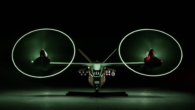
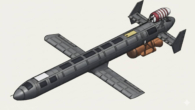
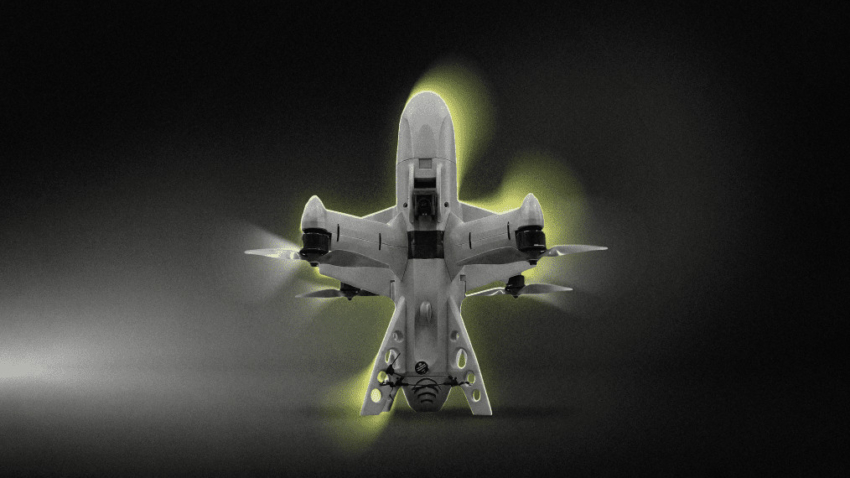
Ukraine has fielded a new interceptor drone called Skazhenyi, Ukrainian for “rabid,” designed to chase Russian reconnaissance aircraft up to 10,000 meters. Built by the UV Military Cluster with Odesa air defense units, the wingless variant reaches 365 kilometers per hour, while a winged version tops out at 310. The manufacturer says it can already produce up to 5,000 units a month, and the first drones deploy on combat missions this week.
A New Altitude Record For Drone Kills
That kind of interceptor is pushing the fight higher. Ukrainian border guards from the 105th Chernihiv Detachment destroyed a Russian ZALA Z-20 reconnaissance drone at 6,858 meters using a STING interceptor, a new world record for drone on drone interception. It breaks a record set weeks earlier by Ukraine’s National Guard, evidence that both sides are racing to fly reconnaissance drones beyond the reach of standard air defenses only to have interceptors catch up.
Russia Studies A Captured Portuguese Drone
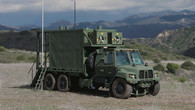
Not every drone gets shot down clean. A Russian anti-drone unit brought down a Tekever AR3, a Portuguese made reconnaissance drone flown by Ukraine, largely intact over the Bryansk border region after a 30 minute chase. Its interceptor closed in only as its own battery ran low. Russian state media says the airframe, unfamiliar enough that soldiers described never seeing one before, has been sent to a research institute for study. Tekever, the largest drone exporter to Ukraine, sells the AR3 for reconnaissance at up to 230 kilometers of communications range.
A Bomb-Carrying Drone Reaches Germany
The war’s reach into Europe grew more direct this week. A quadcopter carrying roughly 800 grams of PETN and semtex explosive was found near Ukrainian cargo planes at Leipzig airport, a European base for Antonov transport aircraft supplying Kyiv. The bomb did not detonate because of a faulty detonator. It is the first drone bomb found in Europe far from Ukraine’s border, and follows a pattern of Russian linked incidents, including 2024 firebombs mailed through Leipzig and a swarm of Gerbera drones that crossed into Poland last September.
Robots Fill A Shrinking Conscription Pool
Elsewhere the driver behind military robotics is demographic rather than tactical. South Korea has awarded Hanwha Aerospace its first mass production contract for the Arion-SMET, a six wheeled, 550 kilogram payload unmanned ground vehicle meant to carry loads and evacuate casualties as the country’s pool of draft eligible men keeps shrinking. Analysts expect it to fall to roughly 100,000 by 2038. Seoul plans to spend $140 million on similar vehicles through 2036, with the platform already tested by the US Marine Corps and Army in Hawaii.
Britain Links Drones To Its Helicopters
The Royal Navy, meanwhile, spent last week proving its drones and crewed aircraft can share a network. Exercise Dragon Rider linked a modified Wildcat helicopter, Royal Marines on the ground, ship commanders and multiple drones across 200 miles of southern England using a jam resistant mesh network already battle tested in Ukraine. The trial extended how far drones can operate ahead of a task group, a step the Navy calls central to its Hybrid Navy concept.
A New Testbed Boat Joins The Fleet
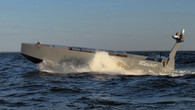
That concept now has a procurement line attached to it. The Ministry of Defence has published a notice for a £10 million uncrewed surface vessel testbed, due by the end of the 2026-27 financial year, meant to trial autonomy and sensor payloads either standalone, alongside a mothership, or in groups of other uncrewed vessels. It sits inside a wider plan for designated missile, sensing and underwater uncrewed vessel classes working alongside Britain’s planned Common Combat Vessel and existing frigates.
Image – UNITED24 Media/Oleksandr Manukians