Ukraine’s Soldiers More Automated Drones
Ukrainian soldiers want drones where one operator can run many. Also: the Pentagon narrows drone shortlist, Cessna’s cockpit-less cargo drone, Britain’s drone vending machine, the Army’s $4.8bn laser upgrade, and the Air Force’s anti-drone cannon.
Ukraine’s Soldiers Want Less To Control, Not More
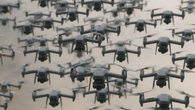
Ukrainian drone makers say soldiers are increasingly asking for systems that need less manual control so one operator can oversee several drones or robots at once. Frontline Robotics says its latest drones can now fly to an area of interest and return with a single button press, while Twist Robotics builds GPS denial resistance into its products “by default” given how common Russian jamming has become. Ukraine’s defense ministry says more than 70 AI and computer vision systems are already striking targets, with a stated goal of eventually equipping 100% of front line drones the same way, while insisting a human still makes the final engagement decision.
The Pentagon Narrows Its Drone Shortlist
The Pentagon is now testing for that same shift at scale. The Defense Innovation Unit has wrapped up Gauntlet 2, the second round of its Drone Dominance Program testing at Fort Carson, Colorado, putting 23 platforms from 19 companies through 1,858 sorties across deep strike and close quarters battle missions. Eleven platforms reached the long distance target of 15 kilometers this time, up from just 24% managing 10 kilometers in the first Gauntlet at Fort Benning. Perennial Autonomy topped the deep strike leaderboard and Neros led close quarters battle, with the Pentagon planning to buy roughly 60,000 drones from the pool of vendors as part of a wider push toward 200,000 systems by 2027.
A Cargo Plane Loses Its Cockpit
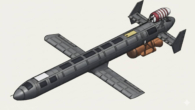
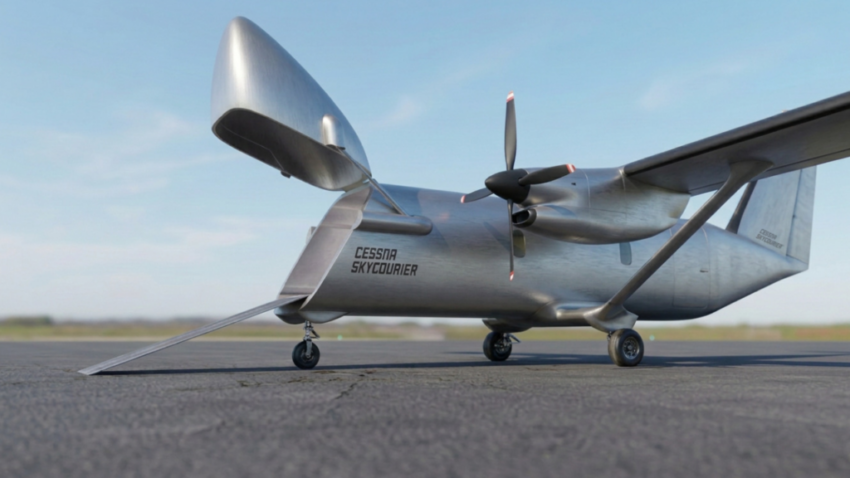
Industry is chasing the same demand for less human overhead in a different domain. Textron and autonomy firm Merlin Labs have unveiled SkyCourier UX, an uncrewed version of the twin turboprop Cessna 408 that swaps its cockpit for a nose that opens hydraulically onto a cargo bay, carrying up to 6,000 pounds over roughly 900 nautical miles. The pitch leans on the base aircraft’s six years of civilian service and short runway performance, positioned to island hop supplies through the Pacific as China fields its own uncrewed cargo aircraft, including a 7 ton freighter with a similar nose mounted cargo door.
Britain Builds A Drone Vending Machine
Britain’s own hardware answer arrived in a rather different shape. Supacat has fitted its Jackal 3 Extenda vehicle with a modular “drone coop” that can carry up to 18 UAVs across six cabinets, trickle charging each one until an operator inside the vehicle selects and launches whichever surveillance or strike drone the mission needs at the push of a button. The system, shown off at the British Army’s DVD 2026 event, is designed so cabinets can be added or swapped depending on how many and which type of drones a unit needs to carry.
The Army Pays Billions To Dodge Missiles With Lasers
The US Army, meanwhile, is spending heavily to protect the aircraft it already flies. Northrop Grumman has won a $4.8 billion contract to keep producing its Common Infrared Countermeasures laser system through 2035, extending coverage across the Apache, Black Hawk and Chinook fleets and the incoming MV-75 tiltrotor. The system tracks an incoming heat seeking missile and jams its sensor in roughly half a second, replacing the older flare based countermeasures pilots say eventually run out mid engagement, with more than 550 aircraft already fitted and the new hardware weighing a third of what its predecessor did.
The Air Force Wants Its Own Anti Drone Cannon
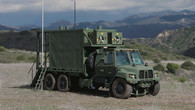
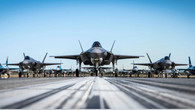
Even the service least associated with ground defense is now shopping for one. The Air Force has issued a request for information for a ground based, medium caliber cannon able to defeat swarms of small and large drones alongside subsonic cruise missiles, a mission traditionally left to the Army. Officials want deep magazines, a low cost per shot and a system light enough to move with the dispersed, austere airfields the service increasingly trains from, adding a dedicated gun to a growing layered defense that already includes the THOR and Mjolnir microwave weapons and the X-MADIS electronic warfare system.
Featured Image – Cessna Skycourier automation allows removing the cockpit and replacing it with a loading ramp – Textron/Merlin Labs