Boeing and Anduril Advance in the Race for a New Interceptor
Boeing and Anduril advance in the race for the Army’s newest base defense interceptor. Plus: Ukraine’s FP-7 missile nears combat debut, Poland’s jet-powered strike drone, China’s combat humanoid robots, and Australia’s sub-hunting drone boats.
Boeing And Anduril Advance In The Race For A New Interceptor
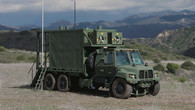
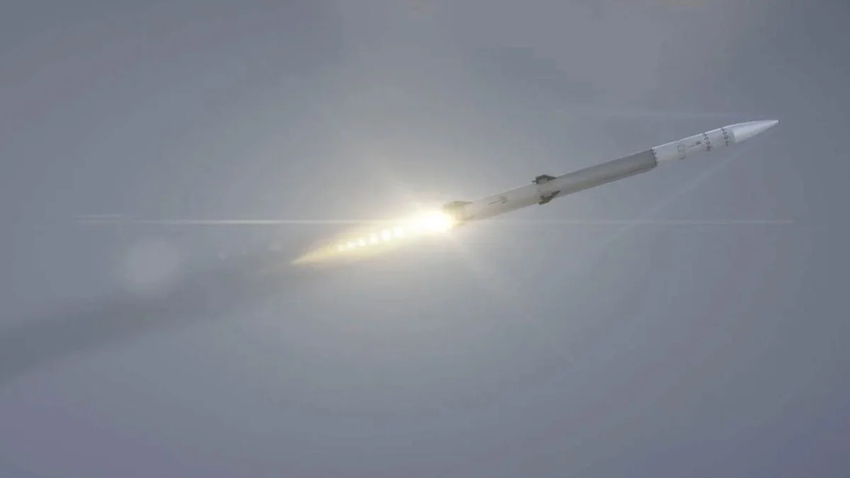
Boeing has moved into the next phase of competition to build the US Army’s second interceptor for its Integrated Fires Protection Capability air defense system, developing the missile with Anduril, which supplies the solid rocket motor. The interceptor is meant to fill a gap between short range defenses and longer range systems like Patriot, complementing the AIM-9X Sidewinder already fielded on the programme’s Enduring Shield launchers. Boeing’s modular design lets components like the seeker or software be swapped without redesigning the whole missile, aiming to keep the interceptor small and cheap enough that base defenders can carry more rounds against a wave of incoming threats. The company advances to detailed design and a competitive demonstration against Lockheed Martin and Rafael’s Iron Dome derived entry.
Ukraine’s Own Ballistic Missile Nears Combat Debut
Ukraine’s Fire Point says its FP-7 ballistic missile could reach operational use within weeks after passing its first two testing stages and entering military evaluation, chief executive Iryna Terekh announced at Poland’s MSPO defense show. A longer range sibling, the FP-9, remains one stage behind in flight testing, and because of its range Ukraine cannot fully test it within its own territory, meaning its first real evaluation may come through use against Russian targets rather than a conventional test sequence. Zelensky has said Ukraine is separately building a FREYJA anti-ballistic missile programme based on the FP-7 and hopes for American backing, though he said Ukraine will pursue it with European partners regardless.
Poland Adds A Jet Powered Strike Drone To Its Arsenal
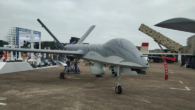
Polish manufacturer WB Group has unveiled Gladius 2, a loitering munition built with a reduced radar and heat signature and powered by a turbojet engine for a fast run at its target. Also called Warmate 30 for its 30 kilogram interchangeable warhead, the munition can fire from a shipping container or a dedicated launcher vehicle and slots into WB Group’s broader Gladius system, which pairs a reconnaissance drone with strike effectors under a shared battle management system. Poland’s Armaments Agency has already committed billions of złoty to WB Group’s Warmate and FlyEye inventories, partly financed through the EU’s SAFE defense loan programme.
China Moves Humanoid Robots Toward The Battlefield
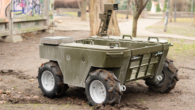
China is accelerating its own robots from showpiece to soldier. Days after the World Humanoid Robot Games concluded in August, the People’s Liberation Army’s official newspaper called for researchers to speed the transfer of humanoid technology from laboratories to military training grounds, and Reuters found evidence of accelerating research and procurement across more than 100 documents. One research paper envisions mixed teams of humanoids, robot dogs and unmanned vehicles clearing buildings floor by floor within five to ten years, though Reuters found no evidence an armed humanoid has yet deployed with an operational unit, and China’s defense ministry has said AI powered weapons should remain under human control.
Israel Shows Off Its Own Swarm Command System
Elbit’s FUSE division unveiled a similar vision this week, built around software called Dominion-X that lets small numbers of soldiers direct dozens or hundreds of drones and ground robots as a single coordinated swarm in GPS denied environments. The company says humans still sign off on every targeting decision, with more soldiers involved in the process near civilians and fewer required for straightforward defensive missions. The unveiling came the same week Israel’s military chief announced the IDF will stand up an entirely new branch focused on robots, drones and AI battle forces by December, following Ukraine’s own drone output reaching 10 million units a year.
Australia Picks Its Solar Powered Submarine Hunting Sonar
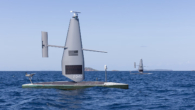
Australia, meanwhile, has settled a smaller but no less telling contest over how to listen for submarines without a crewed ship. Sydney based Ocius has selected two sonar suppliers, ThayerMahan and Thales Australia, to equip 40 of its uncrewed Bluebottle sailboats after a competition against two other array makers, with the American built Outposts feeding the Navy’s SEA1200 undersea surveillance programme and Thales arrays covering border patrol duties already running since 2024. Each solar, wind and wave powered boat can operate unrefuelled for up to six months, letting a fleet of forty watch waters a single crewed vessel never could.
Featured Image – Boeing’s Integrated Fires Protection Capability (IFPC) Increment 2 Second Interceptor flies to intercept a target/Boeing