The Cost of Crewed Rises as Uncrewed Falls
The cost of new F-35 fighter jets has risen 11% to about $92M each. And: Ukraine deploys 10,000 cheap Hornet drones, China mass-produces a disposable interceptor, Britain wants lasers, Poland forms a new regiment, and cartel drones hit the border.
The F-35’s Price Climbs Again
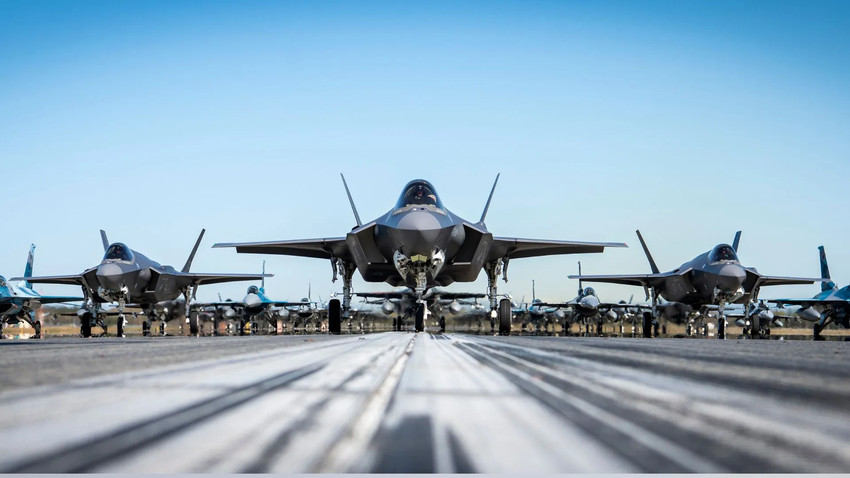
The cost of new US-made F-35 fighter jets has risen by roughly 11% in the latest production lots, the programme’s Joint Program Office has confirmed. An F-35A now averages about $92 million, up from $82.5 million, while the vertical landing F-35B has climbed to $121.4 million. The Pentagon blames inflation, raw material costs and supply chain disruption, and the total projected cost of the programme has grown by more than $50 billion, a rise that has already pushed Switzerland to cut the number of jets it plans to buy.
Ukraine Answers With 10,000 Cheap Drones
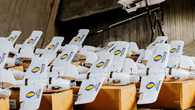
Ukraine’s own answer to that kind of cost has scaled to a different order of magnitude. Ukraine’s armed forces have deployed more than 10,000 medium range Hornet strike drones over the past three months alone, according to Janes, with a roughly 200 kilometer range and most flying pre-programmed routes rather than under direct operator control. The drones are built by Perennial Autonomy, an American company founded by former Google CEO Eric Schmidt that also makes the Merops anti-aircraft drone and Bumblebee FPV.
China Mass Produces Its Own Interceptor
That same cheap-and-plentiful logic is now showing up in how nations defend against drones, not just how they attack with them. Chinese company Shengying Technology has begun mass production of the H-07, a 7 inch interceptor drone that reaches 320 kilometers per hour and uses machine vision to lock onto fixed wing, delta wing and multirotor targets from as far as 300 meters. The company has not disclosed pricing or confirmed any military customers, but the design is explicitly built to be a disposable counter to the same class of cheap drones flooding modern battlefields.
Britain Wants Lasers Instead Of Ammunition
Britain is chasing the same economics from a different angle. The Ministry of Defence’s Project PANOPTES is offering £5 million for an autonomous, vehicle mounted counter drone system able to survive a saturation attack without exhausting its ammunition, with UK Defence Innovation saying it is particularly interested in laser directed energy weapons. The requirement targets drones weighing up to 150 kilograms, the same battlefield category doing most of the damage in Ukraine, and follows earlier British Army trials of a 15 kilowatt laser mounted on a Wolfhound truck that neutralised targets beyond a kilometer.
Poland Stands Up A Dedicated Regiment
Poland is answering the same threat with people rather than just hardware. Defence minister Władysław Kosiniak-Kamysz has signed off on a new 87th Anti-Aircraft Regiment based in Brzesko, roughly 1,000 personnel equipped with missile, air defense and counter drone systems, though the ministry has not yet specified which weapons the unit will carry.
The Same Fight Reaches The US Border
The same technology is causing problems well outside a war zone. US Northern Command says it has shot down more than 300 drones launched by drug cartels along the Mexican border so far this year, with roughly 100 intercepted in August alone. Mexico’s defense minister says the drones are mostly used by smugglers to scout for gaps in border security coverage rather than to carry contraband directly.
Japan Shrinks Its Attack Drone To Fit In A Pocket
Japan, meanwhile, is pushing the miniaturization end of the same race. The Japan Ground Self-Defense Force showed off a combat drone roughly the size of a flashlight during a joint exercise with the French Army, deployable by hand from a soldier’s kit and carrying a camera or small munition against ground vehicles at close range. It is one of three coastal defense drone types the Ministry of Defense plans to field next fiscal year as part of the developing SHIELD system, though the demonstration flight itself was scrapped after a malfunction.
Featured Image – Lockheed Martin